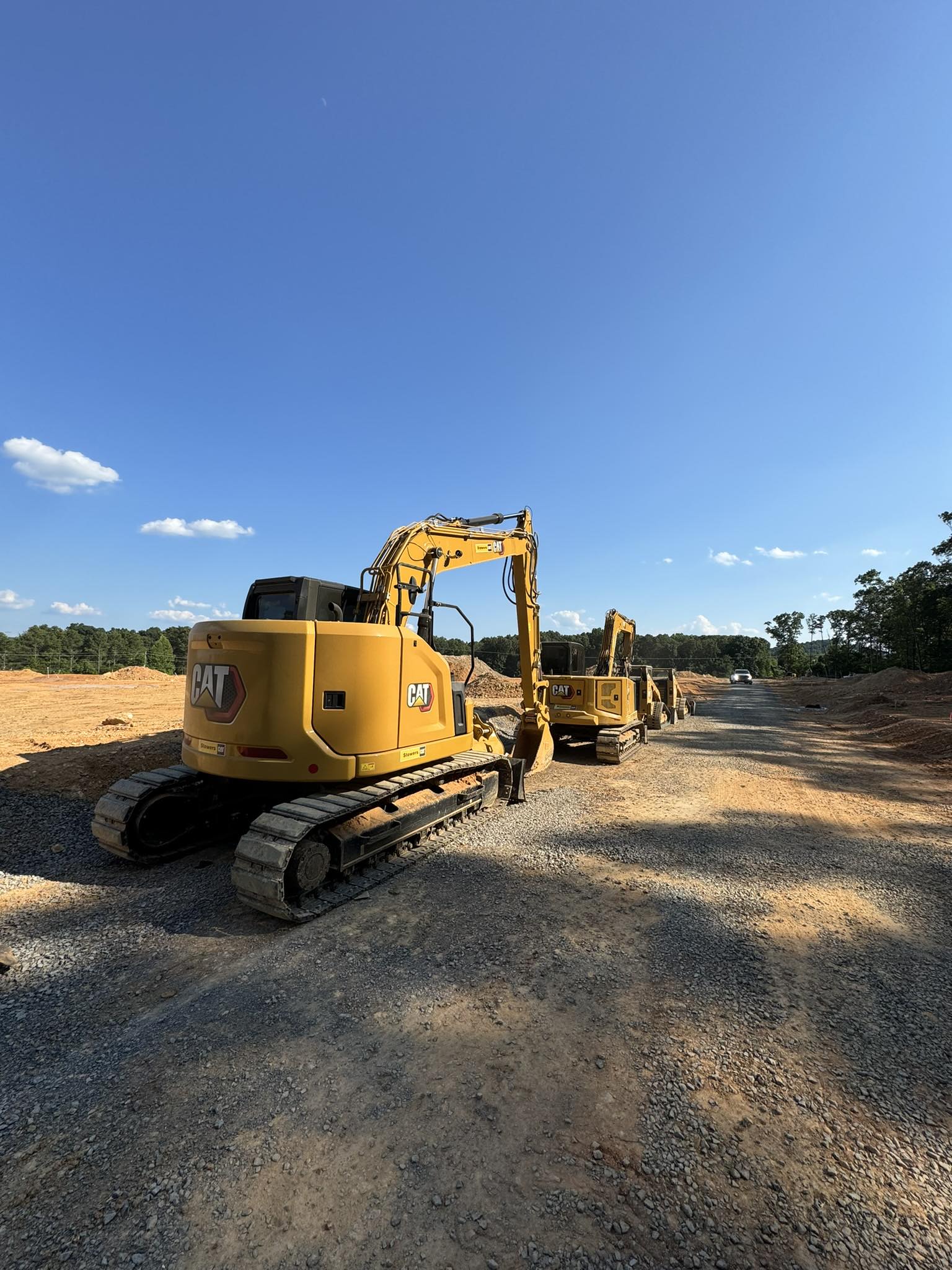
Navigating Challenging Soil Conditions: Expert Strategies for Effective Excavation Dec 11, 2025
Understanding the site's soil condition is the crucial first step in any excavation process. Before beginning, it's essential to conduct a thorough soil analysis. This involves testing soil samples to determine its composition, moisture content, and the degree of compaction. Certain soil types, like clay or loose sand, pose specific challenges due to their structural properties. Clay, for instance, expands and contracts with moisture content, which can lead to instability. Our experienced team uses this data to tailor our approach, ensuring stability and safety throughout the project.
During excavation, the unpredictability of weather conditions can complicate soil management. Heavy rain can transform a manageable site into a muddy quagmire. To combat these issues, Southeast Land Services emphasizes the importance of drainage solutions. Implementing temporary drainage systems or using pumps to control water accumulation can prevent erosion and maintain a stable work area. This proactive approach mitigates delays and ensures the project stays on schedule.
Another effective strategy for dealing with challenging soils is soil stabilization. Techniques such as lime stabilization or geotextiles can significantly enhance the soil's load-bearing capacity. Lime stabilization involves mixing quicklime with the soil, which reacts chemically to reduce moisture content and increase soil strength. Geotextiles, on the other hand, are permeable fabrics that separate, filter, reinforce, and distribute loads over a large area. These methods not only improve soil stability but also reduce the risk of future settlement issues.
When excavation requires digging deeper into unstable ground, shoring systems become invaluable. Shoring involves reinforcing the sides of a trench to prevent collapse. This technique provides a safe environment for workers and protects the integrity of surrounding structures. Depending on the specific requirements, Southeast Land Services may employ hydraulic, timber, or sheet pile shoring—the choice depends on the soil type and project scale.
Monitoring and adapting to ongoing changes is also a critical component of effective excavation in challenging conditions. By integrating real-time monitoring systems, our team can track vibrations, soil movement, and groundwater levels, thus ensuring quick responses to potential issues. This not only enhances safety but also provides insights that can be used to refine methods in future projects.
At Southeast Land Services, we prioritize safety in all our operations. Proper safety protocols are essential when working with unpredictable soil conditions. Our crew is highly trained to use the latest excavation technology and tools while adhering to industry safety standards. Regular safety meetings and site evaluations help maintain a productive and secure work environment.
In conclusion, effective excavation in challenging soil conditions involves a combination of thorough planning, innovative solutions, and ongoing monitoring. By leveraging these strategies, Southeast Land Services successfully navigates the complexities of difficult terrains, ensuring that each project is completed efficiently, safely, and to the highest standards of quality. For projects big or small, our expertise turns potential obstacles into achievable outcomes, exemplifying our commitment to excellence in the excavation industry.
/filters:no_upscale()/filters:format(webp)/media/fc0c6c98-a315-44c2-a232-b8ba9cdbd1e5.jpeg)
/filters:no_upscale()/filters:format(webp)/media/a9dead03-2ff7-4370-b41b-bb826dc6cdb8.jpg)